




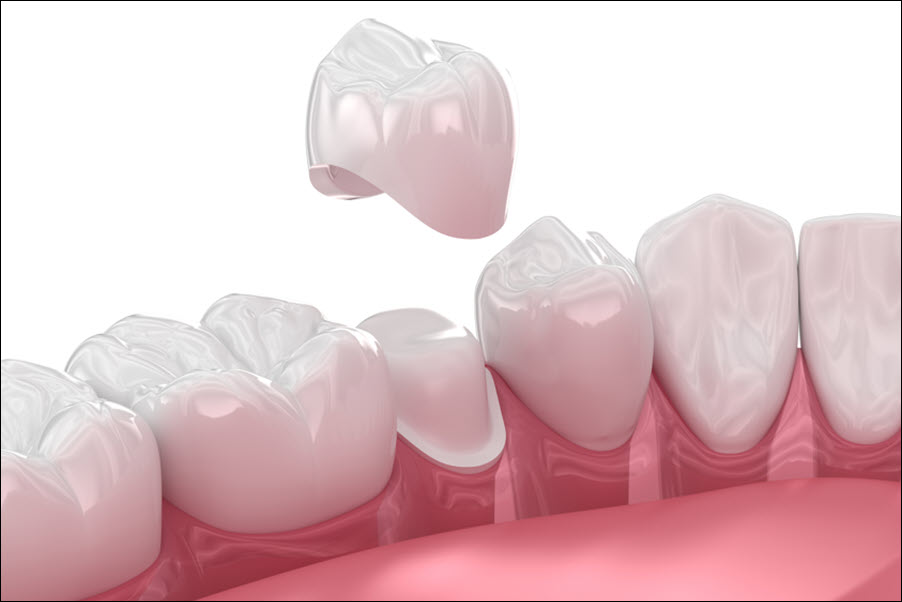
Dental crowns restore strength, function, and appearance to damaged teeth. Patients often feel nervous before their first crown, unsure about the process. Understanding each step helps reduce anxiety and prepares patients for success. A dental crown is not only a repair but also an investment in long-term oral health.
Initial Examination and Preparation
The crown process begins with a thorough exam. X-rays help the dentist check the tooth’s roots and surrounding bone. If severe decay or infection is present, a root canal may be required first. Once healthy, the tooth is reshaped to make space for the crown. This shaping ensures the crown fits securely without altering bite alignment. Patients receive a local anesthetic to remain comfortable. The dentist then takes impressions or digital scans to create an exact model.
Temporary Crown Placement
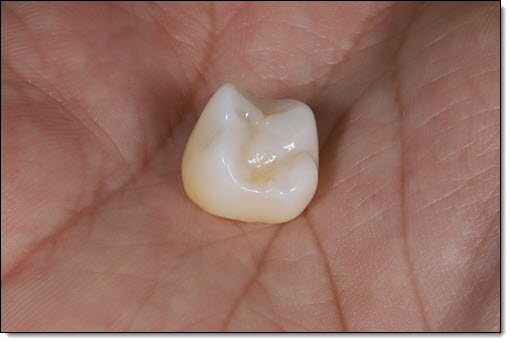 While the permanent crown is made in a lab, patients wear a temporary crown. This protects the prepared tooth from sensitivity and damage. Temporary crowns are usually made of acrylic or resin and are cemented with a weaker adhesive for easy removal. Patients should avoid sticky or hard foods during this stage to prevent dislodgement. Despite being temporary, these crowns help maintain function and comfort until the final appointment.
Permanent Crown Fitting
At the second visit, the dentist removes the temporary crown and tries on the permanent one. Adjustments ensure a comfortable bite and natural appearance. Crowns may be made from porcelain, ceramic, metal alloys, or combinations. Porcelain and ceramic offer the most natural look, while metal crowns provide durability for molars. Once satisfied with the fit, the dentist cements the crown in place. Patients should avoid chewing on the crowned tooth for several hours as the cement sets.
Aftercare and Longevity
With proper care, crowns last 10–15 years or longer. Patients should brush and floss daily, paying attention to the gumline around the crown. Regular dental visits ensure the crown remains stable and the tooth underneath stays healthy. Avoiding habits like chewing ice or grinding teeth extends the crown’s life. For many patients, a crown restores confidence in both function and appearance.
Dental crowns strengthen teeth while improving aesthetics. By knowing what to expect, patients approach the procedure with confidence. With proper care, a crown provides long-lasting benefits, preserving both health and smile.
