




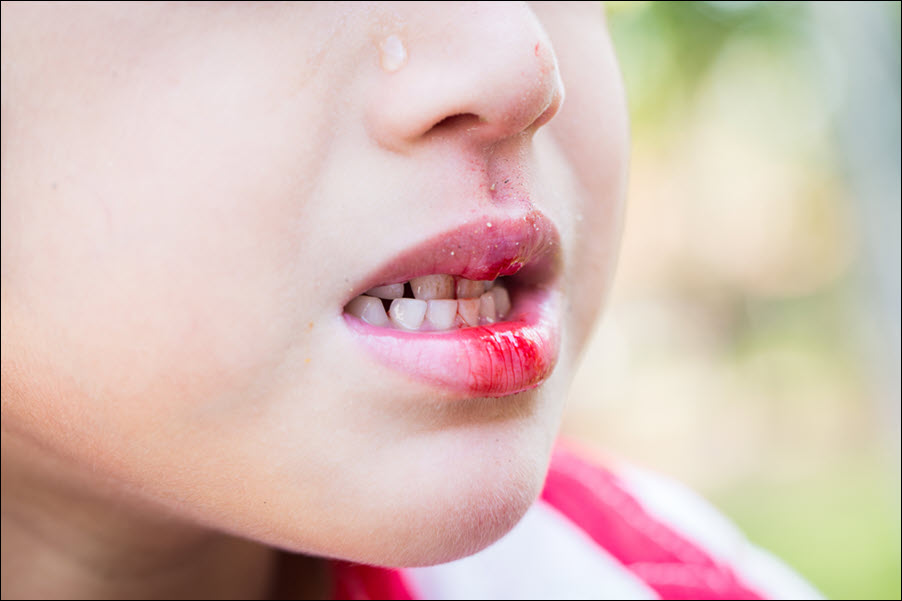
Dental emergencies can happen anytime—during sports, meals, or daily routines. Quick action reduces pain, prevents complications, and can even save a tooth. Knowing basic first aid for dental emergencies helps you respond with confidence until you reach a dentist.
Recognize Common Dental Emergencies
Not every tooth issue is an emergency, but some require immediate care. Severe tooth pain, knocked-out teeth, broken or cracked teeth, and infections with swelling all need urgent attention.
You may also experience lost fillings, broken crowns, or bleeding gums after injury. If you feel intense pain, swelling, or signs of infection like fever, seek care right away.
What to Do for a Knocked-Out Tooth
A knocked-out tooth is one of the most urgent dental emergencies. Act quickly to increase the chance of saving it.
Pick up the tooth by the crown, not the root. Rinse it gently with water if dirty, but do not scrub or remove tissue. If possible, place the tooth back in the socket and hold it in place.
If you cannot reinsert it, store the tooth in milk or a tooth preservation solution. Seek emergency dental care within 30–60 minutes for the best outcome.
Handle Cracked or Broken Teeth
 For chipped or broken teeth, rinse your mouth with warm water. Apply a cold compress to reduce swelling. Save any broken pieces if possible.
Avoid chewing on the affected side. Over-the-counter pain relief can help manage discomfort. Contact your dentist as soon as possible to prevent further damage.
Manage Toothaches and Infections
Tooth pain often signals infection or decay. Rinse your mouth with warm salt water to reduce bacteria. Gently floss to remove trapped debris.
Do not place aspirin directly on the gums, as it can cause irritation. If swelling occurs, apply a cold compress and seek professional care. Untreated infections can spread and become serious.
Address Lost Fillings or Crowns
If a filling or crown falls out, keep the area clean and avoid chewing on that side. You can use temporary dental cement from a pharmacy to protect the tooth.
Bring the crown to your dentist if you still have it. Prompt repair prevents further damage and sensitivity.
Prepare a Dental First Aid Kit
Keep a small dental emergency kit at home or in your car. Include gauze, a small container with a lid, pain relievers, dental cement, and a cold pack.
Having these items ready helps you respond quickly when an emergency occurs.
Act Fast and Protect Your Smile
Dental emergencies require quick, calm action. Knowing first aid steps can reduce pain and improve outcomes. Always follow up with your dentist as soon as possible.
By staying prepared and informed, you protect your oral health and handle unexpected situations with confidence.
