



Have you noticed that your teeth look longer than they used to? Do you experience sensitivity when drinking something hot or cold? These changes could be signs of gum recession, a common dental condition that occurs when gum tissue pulls away from the teeth and exposes more of the tooth or its root.
At Advanced Dental Partners, identifying gum recession early can help protect your teeth, gums, and long-term oral health.
What Is Gum Recession?
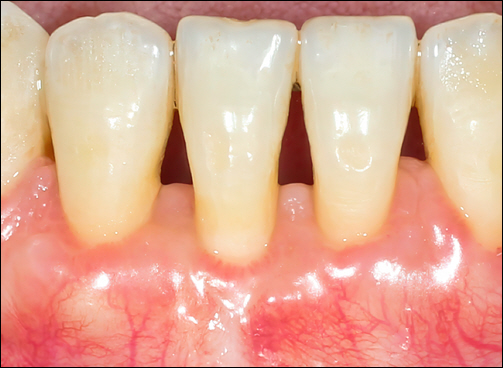 Healthy gums form a protective seal around your teeth. When the gum tissue begins to recede, portions of the tooth roots may become exposed.
Unlike the crowns of your teeth, tooth roots are not protected by a thick layer of enamel. As a result, exposed roots may be more vulnerable to sensitivity, decay, and wear.
Gum recession can develop gradually, which means you may not immediately realize that your gums have changed.
What Causes Receding Gums?
There are several possible causes of gum recession. In some cases, more than one factor may contribute to the problem.
Common causes include:
- Gum disease
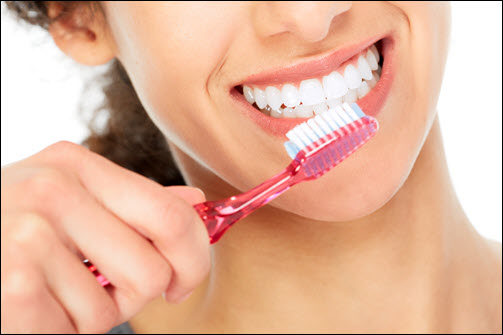
- Brushing too aggressively
- Using a hard-bristled toothbrush
- Plaque and tartar buildup
- Teeth that are crowded or improperly positioned
- Grinding or clenching your teeth
- Tobacco use
- Naturally thin gum tissue
Age can also play a role. However, receding gums should not simply be ignored as a normal part of getting older.
What Are the Signs of Gum Recession?
One of the most noticeable signs is a tooth that appears longer than surrounding teeth. You may also notice a small notch near the gumline or changes in the shape of your gums.
Other symptoms can include tooth sensitivity, particularly when consuming hot, cold, sweet, or acidic foods and beverages.
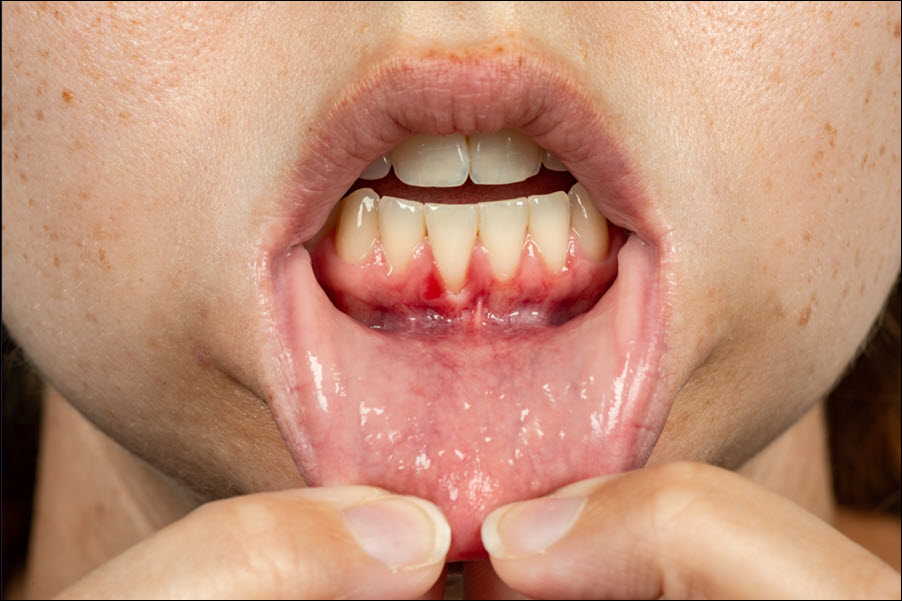
If gum disease is contributing to the recession, you may also experience red or swollen gums, bleeding when brushing or flossing, or persistent bad breath.
Why Should Gum Recession Be Treated?
Gum tissue does not typically grow back on its own after it has significantly receded. Without appropriate care, exposed tooth roots may become increasingly sensitive or susceptible to decay.
When recession is associated with periodontal disease, untreated disease can also damage the tissues and bone that support your teeth.
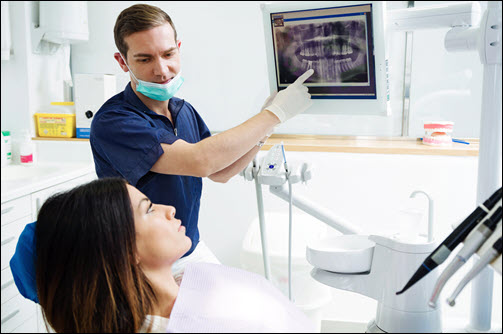
Early evaluation allows your dentist to determine the cause and recommend ways to prevent the recession from becoming worse.
How Is Gum Recession Treated?
Treatment depends on the cause and severity of the condition. Mild cases may be managed by improving brushing techniques, using a soft-bristled toothbrush, treating tooth sensitivity, or addressing teeth grinding.
When gum disease is present, periodontal treatment may be necessary to control infection and protect the supporting structures around your teeth.
More advanced gum recession may require specialized treatment to cover exposed roots or restore lost gum tissue.
Protect Your Teeth and Gums
You can reduce your risk of gum problems by brushing gently twice a day, flossing daily, avoiding tobacco, and scheduling regular dental examinations and professional cleanings.
Most importantly, do not ignore changes in your gumline.
Advanced Dental Partners provides comprehensive preventive and restorative dental care to help patients maintain healthy teeth and gums. If you have noticed receding gums, tooth sensitivity, or other changes in your gum health, contact our office to schedule an evaluation.